

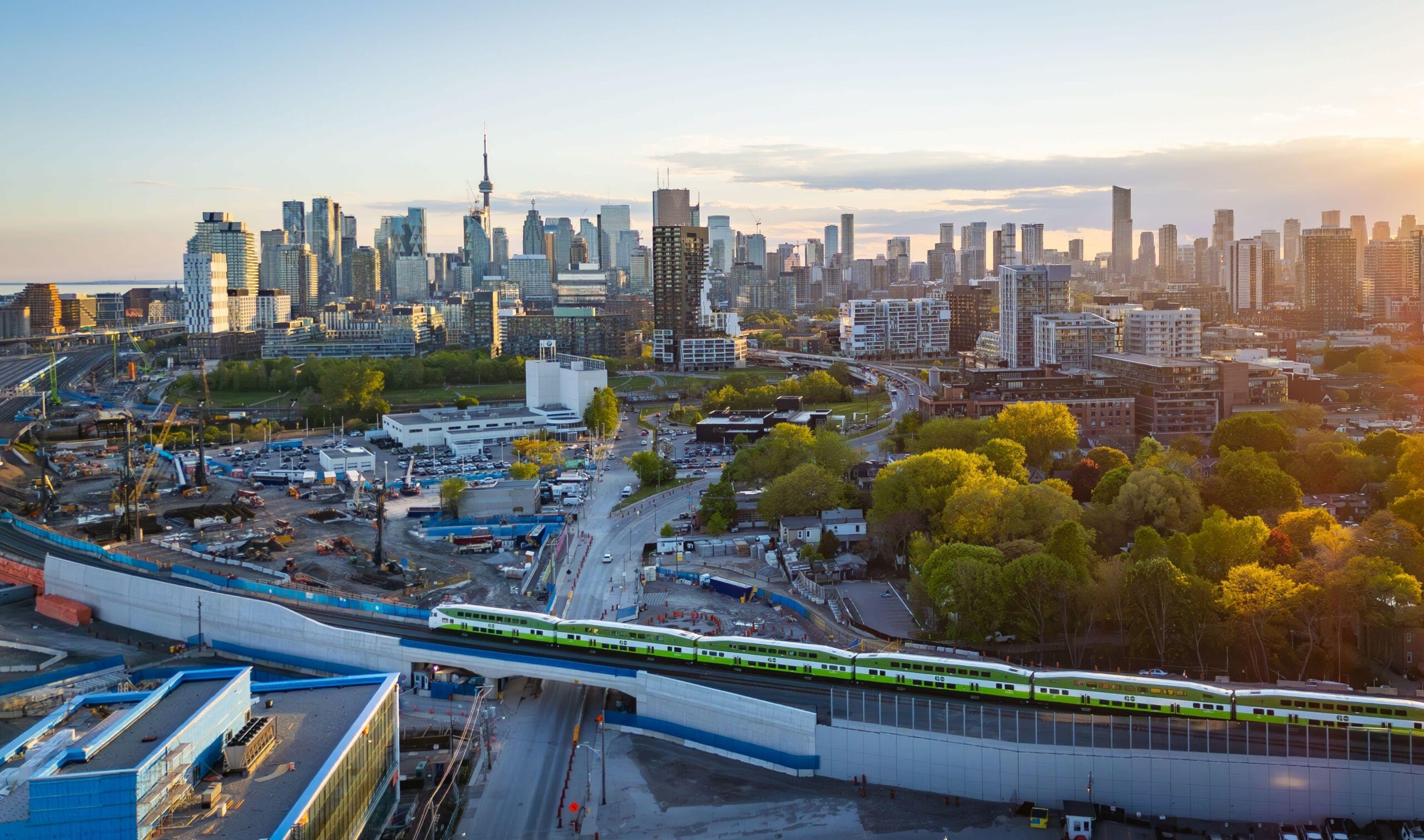
Canadian cities are entering a period of significant change. As urban populations grow, municipalities are facing increasing pressure to improve transportation, modernize infrastructure, manage energy consumption, and respond to climate-related challenges.
At the same time, technologies such as artificial intelligence, connected sensors, intelligent transportation systems, and smart energy networks are creating new opportunities to make cities more efficient and sustainable.
These developments are helping shape the future of smart cities in Canada.
A smart city uses technology, reliable information, and innovative planning to improve public services and residents’ quality of life. Rather than focusing only on futuristic buildings or automated systems, smart city development aims to solve practical urban problems.
In Canada, these challenges include traffic congestion, aging infrastructure, extreme weather, rising energy demands, and the need for accessible public transportation.
Cities such as Toronto, Vancouver, Montréal, and Edmonton are exploring different approaches to digital infrastructure, sustainable mobility, and environmental management.
However, technology alone cannot create a successful smart city. Long-term planning, public participation, cybersecurity, and equitable access to services are equally important.
This article explores the future of smart cities in Canada, focusing on how transportation, energy innovation, and sustainability could transform urban life in the coming years.
What Does a Smart City Mean in the Canadian Context?


A smart city integrates digital technologies and data-driven approaches into urban infrastructure and public services.
These technologies may include connected traffic signals, smart electricity meters, environmental sensors, digital government platforms, and advanced planning software.
For Canadian municipalities, smart city development is closely connected to broader priorities such as sustainability, public safety, accessibility, and economic resilience.
For example, a city might use real-time transit information to help commuters plan journeys more effectively.
Another municipality might introduce connected water meters to identify unusual consumption and potential leaks.
Smart energy systems can help utilities manage electricity demand, while digital public service platforms can simplify certain administrative tasks.
Importantly, smart city initiatives should be adapted to local conditions.
A large metropolitan area such as Toronto faces different challenges from a smaller northern or rural community.
The goal is not to make every Canadian city look the same, but to use appropriate technology to improve local services and urban living.
1. Intelligent Transportation Systems Are Changing Urban Mobility

Transportation is one of the most important areas of smart city development.
Traffic congestion affects travel times, fuel consumption, air quality, and economic productivity.
Canadian cities are exploring intelligent transportation systems that use sensors, cameras, communication networks, and analytical software to improve traffic management.
These systems can help transportation departments understand traffic patterns and respond to changing road conditions.
For example, adaptive traffic signals may adjust their timing based on traffic volumes.
Digital traffic management platforms can also help authorities monitor incidents, road closures, and infrastructure problems.
Public transit agencies use vehicle location information to provide estimated arrival times and service updates.
These technologies can make transportation more predictable, but their effectiveness depends on the quality of the underlying infrastructure and transit services.
Why it matters: Intelligent transportation systems can help reduce unnecessary delays, improve traffic management, and support more reliable urban mobility.
2. Electric Buses and Zero-Emission Transportation


The transition toward lower-emission transportation is an important part of Canada’s urban sustainability efforts.
Public transit agencies are exploring electric buses and other technologies that can reduce emissions from conventional diesel fleets.
Battery-electric buses produce no tailpipe emissions and can offer quieter operation.
However, successful deployment requires more than purchasing new vehicles.
Transit agencies must consider charging infrastructure, electricity capacity, vehicle range, maintenance, and performance during cold weather.
Canada’s climate creates additional challenges because low temperatures can affect battery performance and heating requirements.
Some municipalities are also examining how electric transit fleets could integrate with broader electricity management systems.
For example, charging schedules may be coordinated to reduce pressure on the electricity network during periods of high demand.
Why it matters: Zero-emission transit can contribute to cleaner urban transportation, particularly when supported by reliable electricity infrastructure and effective fleet planning.
3. Smarter Public Transit Through Real-Time Data

Public transportation becomes more useful when passengers have access to reliable information.
Real-time transit systems use vehicle tracking, communication networks, and software platforms to provide updates about arrivals, delays, and service changes.
For example, passengers may use a mobile application to check when the next bus is expected to arrive.
Transit agencies can also analyze ridership patterns to understand where demand is increasing.
This information can support decisions about schedules, routes, and service frequency.
Integrated digital payment systems may also simplify travel across different transportation services.
However, reliable public transit still depends on sufficient service levels, accessible infrastructure, and long-term investment.
Technology can improve the passenger experience, but it cannot replace the need for well-designed transportation networks.
Why it matters: Better transit information can reduce uncertainty, improve journey planning, and help transportation agencies manage services more effectively.
4. Smart Energy Grids Are Modernizing Electricity Infrastructure

Electricity infrastructure is another important component of Canada’s smart city future.
As more vehicles, buildings, and industrial processes use electricity, utilities must prepare for changing patterns of energy demand.
Smart grids use digital monitoring, connected equipment, and communication systems to help electricity providers manage power distribution.
These systems may include smart meters, automated substations, grid sensors, and advanced energy management software.
For example, smart meters can provide more detailed information about electricity consumption, while grid monitoring systems can help utilities detect certain equipment problems.
Some technologies can also support demand response programs, which encourage customers to adjust electricity use during periods of high demand.
Canada has already supported smart grid development through federal initiatives. Natural Resources Canada’s Green Infrastructure Smart Grid Program invested up to $100 million in projects demonstrating and deploying smart grid technologies.
Why it matters: Smart grids can improve electricity system flexibility, support cleaner energy integration, and help utilities manage growing demand.
5. Renewable Energy and Canada’s Electricity Future


Canada has significant renewable energy resources, including hydroelectricity, wind, and solar power.
These resources are important as cities seek to reduce emissions and accommodate increasing electricity consumption.
In May 2026, the federal government announced work on a National Electricity Strategy aimed at expanding electricity infrastructure and supporting affordable, reliable power.
The government stated that Canada’s electricity system was already approximately 80% clean and that national electricity demand could double by 2050.
CANADA’S ELECTRICITY TRANSITION
~80%
Clean electricity share cited by the federal government in May 2026
2×
Potential electricity demand by 2050 compared with current levels
Source: Government of Canada, May 2026. The 2050 figure is a projection, not a guaranteed outcome.
Smart city technologies can support this transition by helping utilities understand electricity demand and coordinate distributed energy resources.
For example, energy management systems may help buildings adjust consumption or coordinate the operation of rooftop solar panels and battery storage.
However, renewable energy expansion also requires transmission infrastructure, reliable generation capacity, investment, and careful system planning.
Why it matters: Cleaner electricity and smarter energy management can support more sustainable transportation, buildings, and urban infrastructure.
6. Smart Buildings and Energy-Efficient Urban Development

Buildings account for a significant portion of urban energy consumption.
Heating, cooling, lighting, ventilation, and other building systems require substantial resources, particularly in Canada’s varied climate.
Smart building technologies can help property owners monitor and manage energy use more efficiently.
Connected thermostats, occupancy sensors, automated lighting, and building management systems can adjust operations based on conditions and schedules.
For example, an office building might reduce heating or cooling in unoccupied areas while maintaining comfortable conditions for employees.
A residential building could use monitoring equipment to identify unusually high energy consumption.
Some property managers also use predictive maintenance systems to identify equipment problems before they result in major failures.
However, digital controls are only one part of building efficiency.
Insulation, high-performance windows, efficient heating systems, and sound architectural design remain essential.
Why it matters: Smarter buildings can reduce unnecessary energy consumption, improve comfort, and support long-term operating efficiency.
7. Climate Resilience and Environmental Monitoring


Canadian municipalities face a range of climate-related challenges, including flooding, extreme heat, severe storms, and wildfire smoke.
Smart city technologies can help local governments monitor environmental conditions and prepare for certain risks.
Connected sensors may measure water levels, rainfall, air quality, or temperature.
For example, flood monitoring systems can provide information about changing water conditions in vulnerable areas.
Air-quality monitoring can help authorities communicate information during periods of elevated pollution or wildfire smoke.
Cities may also use digital mapping and modelling tools to understand which neighbourhoods are particularly vulnerable to extreme weather.
These systems can support emergency planning and infrastructure decisions.
However, technology must be combined with physical improvements, including effective drainage, green spaces, resilient buildings, and emergency preparedness.
Why it matters: Environmental monitoring and climate-informed planning can help Canadian cities become more resilient to changing conditions.
8. Digital Twins and the Future of Urban Planning

Digital twins are becoming an increasingly important concept in advanced urban planning.
A digital twin is a digital representation of a physical asset, infrastructure system, or environment that can be updated using relevant information.
For cities, digital twins may represent buildings, transportation networks, utility systems, or larger urban areas.
These models can help planners evaluate potential changes before implementing them in the physical world.
For example, a municipality might simulate how a proposed transit route could affect traffic patterns.
Engineers could evaluate how infrastructure changes might influence stormwater drainage.
Digital twins may also support maintenance planning by helping departments organize information about roads, bridges, and other assets.
However, these systems require accurate data, technical expertise, and ongoing maintenance.
Why it matters: Digital twins can support better-informed infrastructure decisions and help cities evaluate different development scenarios.
9. Smart Waste Management and Water Conservation


Waste collection and water management are essential municipal services.
Connected technologies can help cities monitor these systems and identify opportunities for operational improvements.
Some waste management systems use sensors to estimate how full public containers are.
Collection teams can use this information to identify areas that may need attention.
Water utilities may use connected meters and pressure sensors to monitor consumption and identify unusual changes that could indicate leaks.
For example, a municipality could analyze water pressure information to prioritize inspections of aging infrastructure.
These technologies may reduce unnecessary maintenance trips and support more efficient use of resources.
However, their benefits depend on reliable equipment, appropriate data analysis, and well-designed operational processes.
Why it matters: Smarter waste and water systems can support conservation, improve maintenance planning, and reduce certain operational inefficiencies.
10. Digital Government, Accessibility, and Community Participation

A successful smart city must serve its residents effectively.
Digital government platforms can simplify access to municipal services, including permits, service requests, public information, and certain payments.
For example, residents may be able to report damaged streetlights or potholes through an online portal.
Digital systems can route these requests to appropriate departments and provide updates about their status.
However, smart city development must also consider accessibility.
Not every resident has reliable internet access, suitable devices, or the same level of digital confidence.
Municipalities should maintain practical alternatives for residents who cannot easily use online services.
Public consultation is equally important.
Residents should have opportunities to participate in decisions about connected infrastructure, data collection, and urban technology investments.
Why it matters: Digital services are most valuable when they make local government more accessible, responsive, and inclusive.
Canadian Smart City Initiatives Worth Watching


Canada’s approach to smart city development includes both major metropolitan initiatives and smaller community projects.
The federal Smart Cities Challenge, launched in 2017, encouraged municipalities and Indigenous communities to use data and connected technology to improve residents’ lives.
The first competition selected four winners in 2019.
Housing, Infrastructure and Communities Canada
| Community | Smart city focus |
|---|---|
| Montréal, Québec | Mobility and access to food |
| Guelph and Wellington County, Ontario | Creating a circular food economy |
| Bridgewater, Nova Scotia | Reducing energy poverty |
| Nunavut communities | Supporting health and wellness through connected approaches |
These projects demonstrate that smart city development is not limited to transportation technology or large urban centres.
For example, Bridgewater’s winning initiative focused on reducing energy poverty, showing how connected technology can support social and economic priorities.
The broader lesson is that effective smart city projects begin with a clearly defined community problem.
Canada’s Investment in Sustainable Urban Transportation
Federal infrastructure programs can help municipalities modernize transportation networks.
Canada’s 2025 Federal Sustainable Development Strategy progress report highlighted investments in public transit, zero-emission buses, and active transportation.
It reported that federal transit initiatives had supported the purchase of more than 13,000 buses, including over 8,700 zero-emission vehicles.
FEDERAL TRANSIT INITIATIVES
8,700+
Zero-emission buses supported
Included among more than 13,000 buses supported through federal transit initiatives, according to Canada’s 2025 progress reporting.
~$3 billion/year
Planned ongoing public transit funding
The Canada Public Transit Fund is designed to provide long-term support beginning in fiscal year 2026–27.
Housing, Infrastructure and Communities Canada
These investments can support smarter, more sustainable urban mobility, although actual project outcomes depend on implementation, local conditions, and long-term maintenance.
Challenges Facing Smart Cities in Canada

Despite their potential, smart city initiatives face important challenges.
| Challenge | Why it matters |
|---|---|
| Infrastructure costs | Modernizing transit, utilities, and digital systems requires substantial investment |
| Cybersecurity | Connected infrastructure introduces additional security risks |
| Data privacy | Residents need confidence that personal information is handled responsibly |
| Digital inequality | Not everyone has equal access to technology |
| Harsh weather | Canadian climate conditions can affect infrastructure and equipment |
| System integration | Different technologies must work together reliably |
| Long-term maintenance | Digital systems require updates, repairs, and ongoing funding |
| Public trust | Residents should understand and influence how technology is used |
A city can install sophisticated technology without becoming meaningfully smarter if the systems fail to address residents’ needs.
Long-term success requires thoughtful planning, reliable infrastructure, and clear accountability.
What Could Canadian Smart Cities Look Like by 2035?

By 2035, Canadian cities could become more connected, energy-efficient, and responsive to changing urban needs.
Transportation networks may increasingly use real-time information to improve service reliability.
Electric buses and charging infrastructure could become more common as transit agencies continue modernizing fleets.
Smart electricity systems may help utilities manage higher demand from electric vehicles, buildings, and industry.
Urban planners could use digital twins and environmental models more extensively when evaluating infrastructure projects.
Connected monitoring systems may also support faster detection of certain water, energy, and transportation problems.
However, these developments are possibilities rather than guaranteed outcomes.
Progress will depend on funding, public policy, technological reliability, and the ability of municipalities to maintain infrastructure over time.
The most important measure of success will be whether these investments improve affordability, mobility, environmental quality, and everyday life for residents.
Final Thoughts
The future of smart cities in Canada will be shaped by the relationship between technology, infrastructure, and sustainable urban planning.
Intelligent transportation systems, electric public transit, smart energy grids, connected buildings, and environmental monitoring can help municipalities address important challenges.
However, creating a smart city requires more than adopting advanced technologies.
Cities must also prioritize cybersecurity, privacy, accessibility, affordability, and public participation.
Canadian communities have different needs, and successful solutions should reflect local conditions rather than follow a single technological blueprint.
The future of Canada’s smart cities is not simply about building more connected infrastructure. It is about creating healthier, more efficient, resilient, and sustainable places for people to live.
With thoughtful investment and responsible innovation, smart city technologies can play a meaningful role in shaping Canada’s urban future.
